
Part 1 of 2: Finding answers and a way forward for my son
By Tricia Black
In this two-part series, Bancroft team member Tricia Black shares the story of her son’s neuropsychological evaluation. She reflects on her early concerns, the process of finding answers, and how the evaluation helped her better understand her son and the support he needs. In part two, Tricia will share practical tips and information she learned along the way to help other parents prepare for the evaluation process.
For a long time, I knew my son was struggling, but I didn’t know how to help him. I had questions and concerns, and every time I tried to find answers, I seemed to hit another dead end. Watching Sam struggle was hard, and not knowing what to do next was hard on me, too.
Getting him evaluated didn’t happen right away. But when it finally did, we began to understand what he needed and how to help him. I started to see real changes, and we finally had a way forward.
Looking For Answers
When Sam was very young, I noticed that he had an unusual way of interacting with me and other people. His lack of eye contact and the way he seemed disconnected from others were some of the behaviors that I thought could be red flags, but my pediatrician said it was too early to be concerned. As he got to be an older toddler, my concerns were dismissed more often than not.
“That’s just how boys are.”
“He’ll outgrow it.”
But Sam seemed so anxious to me. He had trouble interacting with other children and was often left out or played alone. Relatives fawned over his older sister but didn’t engage with him as much, sometimes making comments that he was “weird” or “different”. The things he was interested in or excited by were considered strange to them, and his hyperfocus on those things was hard for people to relate to.
In school, he was often getting in trouble. No matter how hard he tried, he wasn’t able to retain information or access it when he needed to, and got embarrassed when he didn’t know the answers. Sam tried to avoid participating out of fear and nerves. My heart was breaking daily alongside his.
His first-grade teacher was the first to recommend he be evaluated for ADHD and autism. It was a tough conversation, but one that plunged me into research mode. I made an appointment with our pediatrician, who gave me a list of places to call for an evaluation. By the time I reached the bottom of that list, I learned that most either didn’t work with children his age or had waiting lists
over a year long that were closed to new patients..
It felt like a dead end, and for a time I gave up.
It wasn’t until the fall of 2025, when I began working for Bancroft in the corporate office and learning more about the pediatric evaluation process, that I decided to try again. Bancroft had a very short waiting list and worked with my medical insurance. Cautiously optimistic but nervous for my son, I got the necessary referral from Sam’s doctor and submitted my request.
The response was immediate. We were scheduled for two appointments, with the first less than a month away. After all that waiting, we finally had something on the calendar! I felt relieved before we even began.
Our First Appointment
Our first appointment was virtual. Dr. Danielle Ager spent some time getting to know Sam. Then he left the call, and she and I talked about what came next.
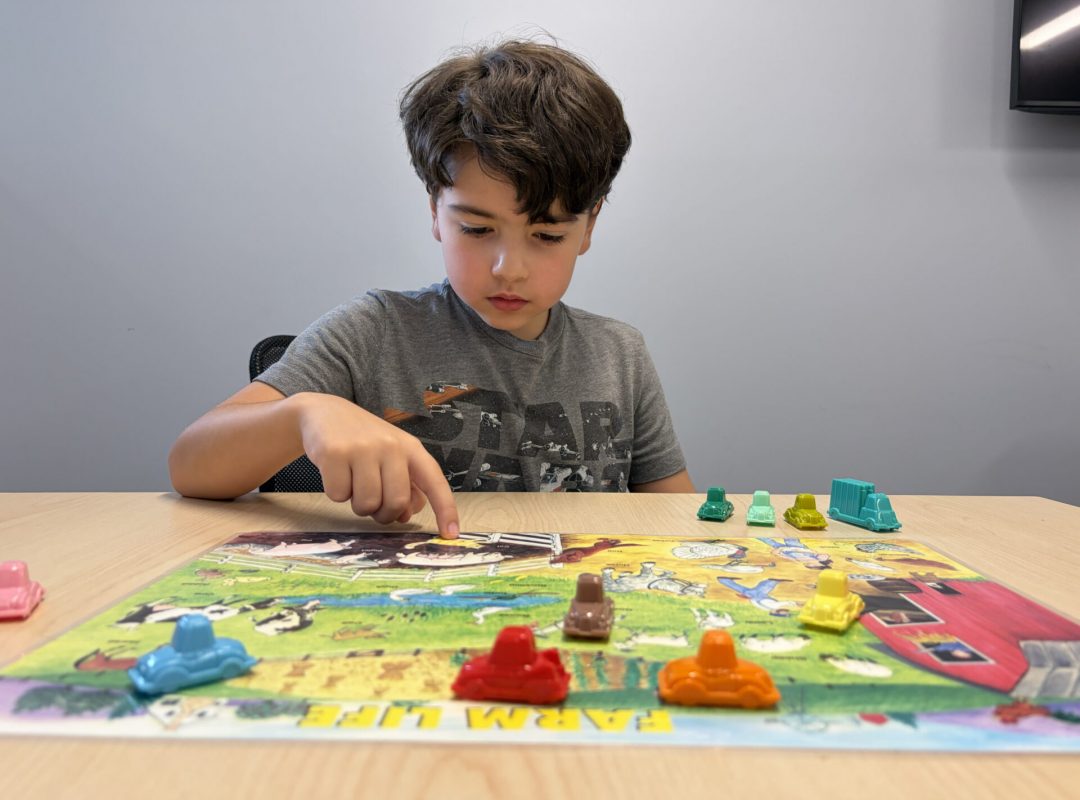
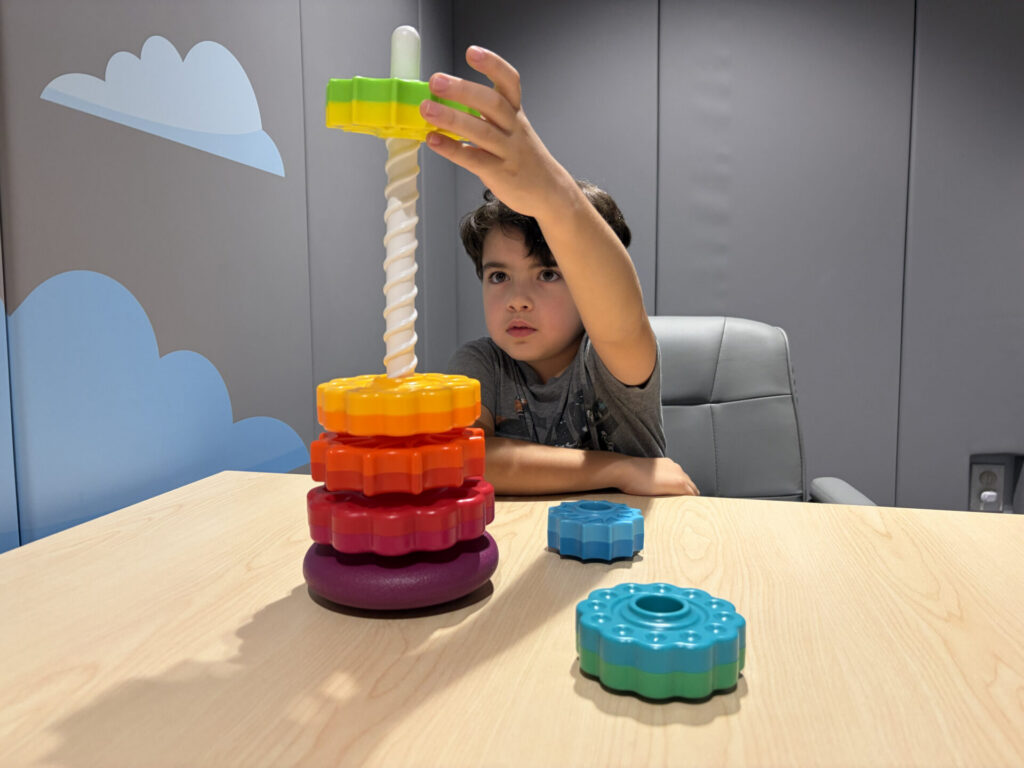
She walked me through testing day, explaining the tests Sam would complete and why, and when we could expect results and recommendations. Most tests were broken into 30–40-minute sessions focused on things like spatial awareness, cognitive ability, memory, and problem-solving.
I had so many questions, and we spent about an hour and a half on the call. By the end, I felt like we were on a path toward getting him the help he needed. I still felt nervous about the tests themselves and how Sam would handle such a long day, but taking that first step helped me to feel that I was doing what was right for him.
Testing Day
Sam’s testing day was one month later at Bancroft’s Lifespan Neurobehavioral Center in Cherry Hill, NJ. The day was expected to last six to seven hours, depending on how he worked through the tests and how many breaks he needed. I packed some snacks to have at the ready, and talked with him about what to expect. Sam loves to draw, so I led with that.
“Hey Sam, I’m taking you to a place today to see Dr. Ager and her team. You’re going to do some fun games, mostly drawings and practicing reading. It’s going to be for the whole day, and when you’re done I’ll take you for a treat. Does that sound okay?” I said.
“Do I have to go to school?” he asked. When I said no, he enthusiastically responded, “Sounds good!” Sam really liked Dr. Ager on our virtual call, so he was excited to go and “play” with her and her team all day.
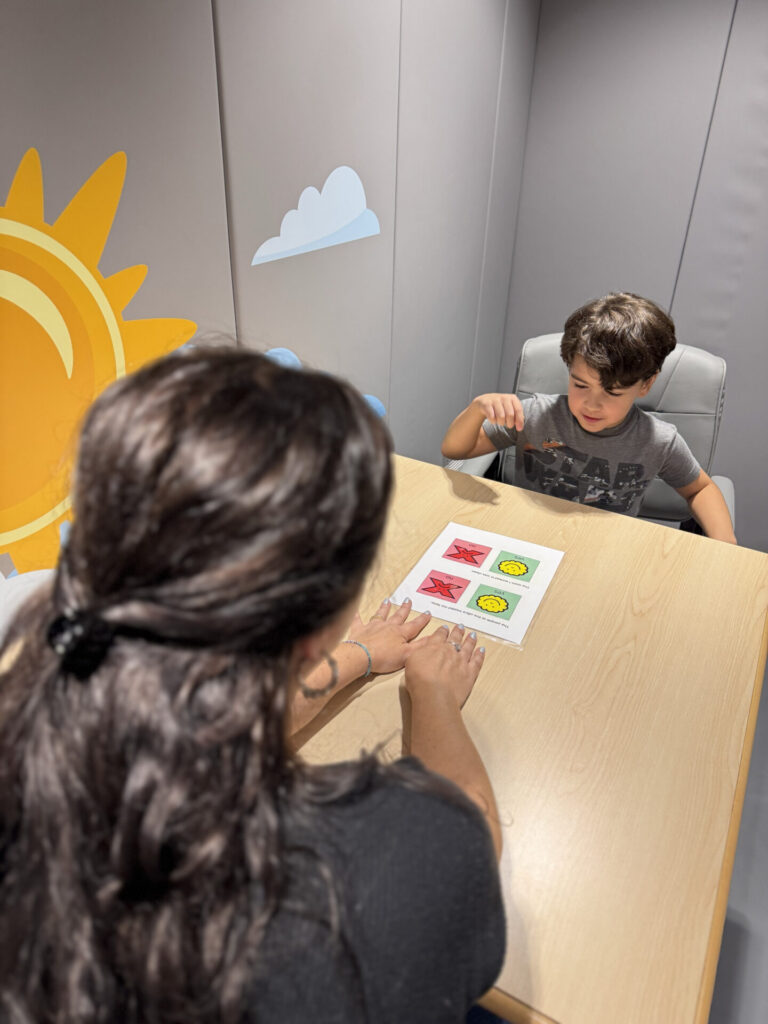
As soon as we checked in, the team greeted us and introduced themselves. They asked Sam if he was ready to get started and led him to a testing area. I settled in to complete forms and questionnaires about my view of Sam’s personality and behaviors.
Many of the questions made me think more closely about Sam’s moods and reactions, including things I hadn’t connected with ADHD or autism.
In my own research, I had come across some of the better-known symptoms and behaviors, so thinking about Sam’s “quirks” in this light was eye-opening. I began to see how much these challenges affected his daily life.
Dr. Ager frequently checked in with me throughout the morning to let me know how Sam was doing. I couldn’t be in the testing room with him because my presence could influence his behaviors. He only needed one break to come see me. While he had a small snack, he told me how much fun he was having drawing pictures for the team.
He said it was like school, except fun.
After a quick lunch break, the team let me know testing would finish a little early. I settled in with my book, and before I knew it, Sam was running to me with a toy from the prize box. We were ready to go! Analyzing the results and completing the report would take some time, so before we left, I scheduled a virtual follow-up for two weeks later to review the results.
Making Sense of the Results
At the follow-up, I received an extensive report reviewing each test and how Sam’s scores compared with those of other children his age. Again I had many questions, but Dr. Ager took her time to answer each one, and I never felt rushed.
I was able to use the report with our pediatrician to discuss whether medication was needed. It also helped us work with his school to create a 504 plan with support for Sam when he feels stressed or overstimulated. We were able to get him into a classroom with more than one teacher, so someone is now available to work with him one-on-one as needed.
I’ve since spoken to Sam about what the evaluation was for and what it means for him. Keeping it simple, I told him that it helped us understand how his brain works and what he needs as he grows.
He was scared of taking medicine, so I reassured him that sometimes brains work differently, and now we know how to help him focus and have an easier time in school. I can tell he feels happier and more confident already, and it’s incredible to see.
Now that the evaluation is complete and Sam has an official diagnosis, I can’t tell you how much weight has lifted off of me. The concerns I’d had for so long finally make sense. Instead of worrying about what to do, I finally feel like we have a game plan and know how to get Sam the help he needs. He has just started his third-grade year, and I have already seen massive improvements in his writing, reading, and his ability to focus.
For the first time, I feel like we’re moving forward instead of constantly wondering what we’re missing. I know there will still be challenges, and I know this diagnosis doesn’t change who Sam is. It simply helps me understand him better.
Most importantly, it gives me hope. I hope other parents who have those same quiet concerns in the back of their minds will trust their instincts, keep asking questions, and know that they’re not alone. Sometimes, finding the right answers takes time, but when you finally have them, they can open the door to the support you and your child have been waiting for.