


Explore sensory activities for children with autism, including alternatives for children with pica.
The special education teachers at Bancroft weigh in on ten sensory toys that have been successful for their students with autism and intellectual and developmental disabilities.
When considering these sensory toys, keep in mind that these are general ideas to support motor, sensory, and communication skills. Not all may be appropriate for your student or child. You know them best!

Fidget Toys
Fidget toys such as spinners, sensory tiles, and spin wands are effective toys for relieving stress or anxiety in overstimulating environments. These toys serve as an empowering tool to manage sensory needs and emotional states, and to promote a sense of calmness and focus.
Check out these three suggested fidget toys:

Light Projector
Light projectors serve as a multi-sensory experience by illuminating different colors, shapes and scenes, to create a calming environment. They captivate attention, promote relaxation, and stimulate visual perception, providing a soothing sensory experience for individuals with autism.
Check out these suggested light projectors:

Play-Doh
Play-Doh is a versatile sensory tool that offers tactile stimulation and encourages creativity. It provides a calming sensory experience while promoting fine motor skills and imaginative play. The malleability of Play-Doh allows children to explore textures and shapes, fostering sensory integration and expression.
Check out these suggested Play-Doh options:

Sand Sensory Bins
Sand sensory bins filled with materials like kinetic sand, moon sand, or play sand offer opportunities for tactile exploration and sensory integration. These sand bins provide a soothing sensory experience while promoting fine motor skills and creativity. Children can engage in sensory play, manipulating the sand materials to enhance sensory processing and cognitive development.
Check out these suggested sand options:

Washable Paint
Washable paint provides a creative outlet for children to express themselves and explore sensory experiences. Painting activities promote hand-eye coordination, fine motor skills, and self-expression, while the washable nature of the paint ensures easy cleanup and minimal mess.
Check out these suggested paint options:

Sequin Wall
A sequin wall offers visual and tactile stimulation, engaging children in sensory exploration. Running their hands over the sequins can provide a calming sensory experience, promoting relaxation and sensory integration. The reflective nature of the sequins creates an interactive and captivating sensory environment. Sequin pillows are another option.
Check out these suggested sequin wall options:
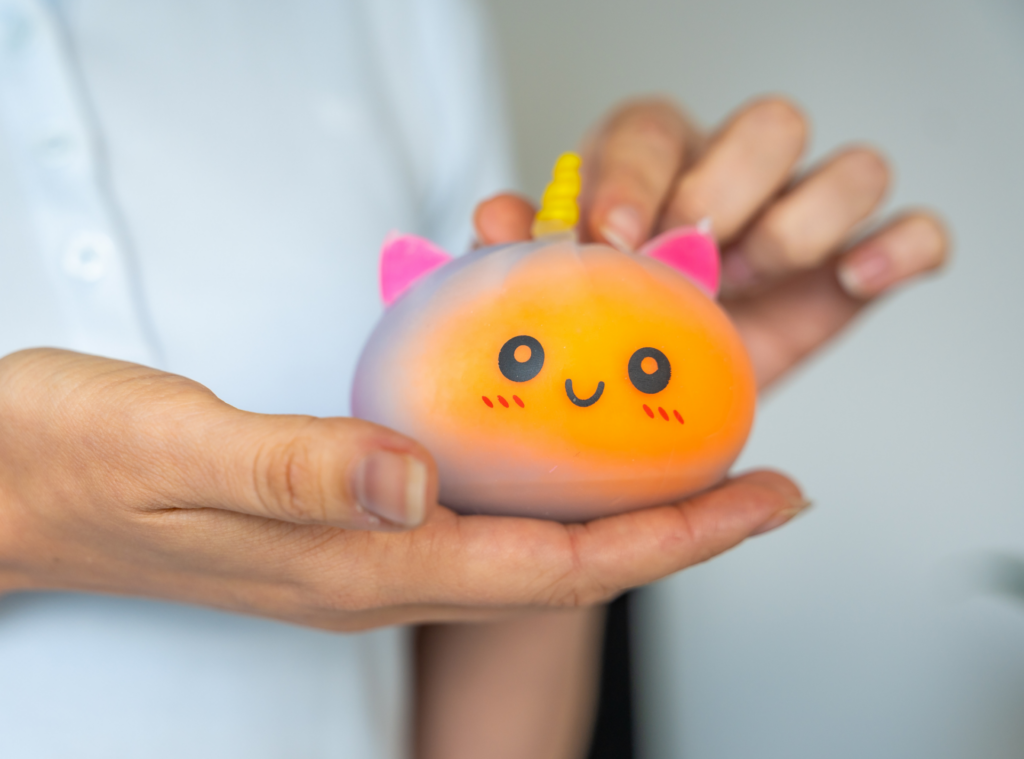
Squishies
Squishies provide tactile stimulation, offering different textures, softness, and resistance that children can play with by squeezing, pressing, or stretching. Repetitive squeezing can be calming for students when they feel big emotions. For some students, having something to manipulate with their hands can help them stay engaged during classroom lessons.
Check out these suggested squishy options:
Sensory Toy Alternatives for Children with Pica
At Bancroft, teachers use foods that students can safely eat in place of some sensory play materials. That way, if a student swallows a small amount during play, it’s a food they already eat safely. Staff supervise closely so students don’t eat too much.
Rice or Bean Sensory Bins
Rice or bean sensory bins provide a safer experience for children with autism or intellectual disabilities and pica. This type of sensory bin still allows children to regulate their senses through repetitive actions of scooping and dropping the textured food items, while creating an overall calming and safe experience.
Cooked Noodles
Using cooked noodles as a sensory experience allows children with pica to touch, squeeze, or break apart noodles in a safer way while allowing them the same benefits of different sensations in their hands and fingers. Although noodles are safe for children to ingest, please consider the amount of noodles that you are allowing your child or student to play with.
Marshmallows
Marshmallows can provide a fun and sweet sensory experience by allowing children with autism and pica to feel a soft, spongy, and squishy texture in their hands and mouths. Picking up and pinching marshmallows allows children to practice grasping and hand control in a supervised environment with a sweet treat.
Sensory toys are more than just fun! At home or in the classroom, they can help children with autism and other intellectual and developmental disabilities focus, relax, and learn. Every child is different, so start with what your child or student already enjoys. If they like to squeeze, scoop, or watch colors change, that can give you a clue about what to try next. With a little exploration, you can discover sensory tools that spark joy, encourage focus, and support the child’s overall well-being.