
By Colleen Rowan-Valentino, Principal, The Bancroft School at Voorhees Pediatric Facility and Dawn Smith, BCBA, Sr. Behavior Analyst, Bancroft
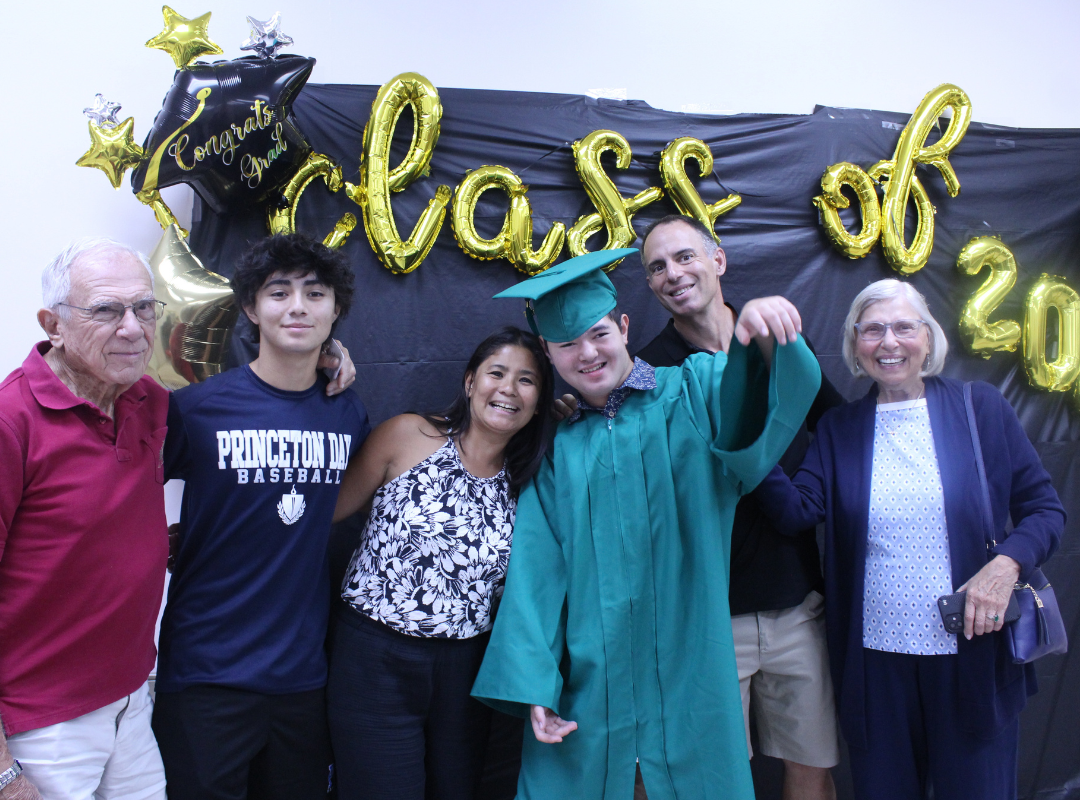
Graduation day is a joyful milestone that marks years of learning, growth, and accomplishment. But for many families, it also brings an important question: What comes next?
As students prepare to leave the familiar structure and support of school, many parents begin thinking about the transition into adulthood and the changes that come with it. For a lot of families, that uncertainty can feel overwhelming.
Throughout childhood, so much support is built into the school system. After graduation, families suddenly find themselves navigating a completely different world of adult services, funding, and resources, and it doesn’t always feel easy or straightforward.
That’s why transition planning is so important. With the right support, preparation, and guidance, families can help their loved one move into this next chapter with confidence – and a lot less stress.
Post-Graduation Challenges for Children with Autism
For all students, graduation is a major life transition. But for children with autism and intellectual and developmental disabilities, the transition into adulthood can come with additional challenges and uncertainty for both individuals and their families.
The Autism Cliff:
Many families in the autism community refer to this transition as the “Autism Cliff.” That’s because when school-based supports end, families have to navigate a very different adult service system.
This new territory is unfamiliar, harder to access, and far less connected than the support they were used to throughout their child’s school years.

Job Market:
More than 66% of young adults on the autism spectrum are unemployed and are not engaged in higher education two years after high school.
For many individuals with autism, traditional job searching and interview processes may not always reflect their strengths, abilities, or potential. Finding the right opportunities often takes individualized support, preparation, and advocacy.
Independent Living:
Transition planning is about more than employment. It’s about increased independence and adulthood.
Daily living skills like cooking, cleaning, transportation, and managing finances often require practice, support, and individualized guidance.
Families may also face challenges finding supportive housing options that meet their child’s needs and goals for independence.
Social Connections:
Building friendships and community connections are so important to the well-being of your loved one, physically and emotionally. Yet, these can be challenging to develop without the proper support.
Community programs, recreational activities, and strong support systems can help adults with autism feel connected and engaged throughout their adult life.

Emotional Well-Being:
The transition to adulthood can bring uncertainty and stress for both individuals and families. Families may also face challenges finding mental health services that are tailored to the unique needs of individuals with I/DD.
Long-term transition plans can help alleviate these stressors by providing ample time and opportunity to find the support you need.
Three Key Components of a Successful Transition Plan
Entering the post-graduation world may seem daunting at first, but a thoughtful and personalized transition plan can help guide your child toward a meaningful and fulfilling future.
Here are three important components of successful transition planning:

Early Start
Don’t wait until graduation day! Ideally, you want to begin planning your child’s transition around age 14. This allows ample time for exploration, skill development, and adjustments as your child’s interest areas and strengths evolve.

Collaborative Effort
This is not a plan you should attempt to make on your own. Involve your child, family members, mentors, educators, and relevant professionals (social workers, therapists, teachers, vocational specialists).

Flexible Planning
Remember, this transition plan isn’t static. As your child grows, their goals, strengths, and interests will evolve. Staying flexible allows you to adapt plans and supports along the way and focus on what works best for your child at each stage.
A Blueprint for Successful Transition Planning
Everyone is unique, which means that there is no one-size-fits-all transition plan. A good transition plan is personalized to the needs and strengths of your child. That being said, there are several important areas that should be addressed as part of any transition plan.
Job Skills Training
Your child should have opportunities to build practical skills related to their goals and interests, whether that includes resume writing, interviewing techniques, workplace communication, or job-specific training.
Career Exploration
Take time to explore your child’s passions, strengths, and abilities while learning about different career paths and opportunities available to them. Vocational assessments and aptitude testing can also help identify areas of interest and potential.
Independent Living Skills
Transition planning is more than job training. It also includes helping your child become an independent adult. While every individual’s level of independence will look different, practicing skills like cooking, cleaning, budgeting, and using public transportation can help build confidence and self-sufficiency.
Education and Training
Explore post-secondary options, vocational training programs, internships, or other hands-on learning opportunities to help your child make the successful transition into adulthood.
Social / Emotional Development
Social and emotional skills are just as important as professional and academic skills. Building communication skills, emotional regulation, self-advocacy, and healthy relationships can help support long-term success and overall well-being.
Funding Savvy
As your child transitions into adulthood, funding sources and services often change. Understanding available programs and how to access them can help families feel more prepared for the transition into adult services and secure ongoing support.
Resources and FAQs
At this point, you may still have questions, and that’s completely normal. Below are a few common questions families ask us about transitioning into adult services. Don’t see what you’re looking for? We are always available to help, just give us a call.
What services are available to my child after they turn 21?
There are a variety of ways an individual can participate in day services after age 21, including employment, structured day programs, in-home and self-directed day services. Visit our website to learn about Bancroft’s transition and adult services.
How are these services funded?
Programs are typically funded through the New Jersey Division of Developmental Disabilities (DDD), the Division of Vocational Rehabilitation Services (DVRS), Supplemental Security Income (SSI) Benefits or through private pay.
How can I find out if my child is eligible for state funding?
- Contact the Intake/Intensive Unit of your local DDD Community Services Office or apply online.
- To ensure your child is eligible for Medicaid, fill out the Medicaid Eligibility Troubleshooting Form.
- Complete the NJ Comprehensive Assessment Tool (NJ CAT) through the Intake/Intensive Unit of your local DDD Community Services Office.
When should we apply for funding?
It’s a good idea to begin planning for the transition to adult services while your child is still in high school, ideally around age 14.
A child can be referred to DVRS up to two years before leaving high school. While DDD does not provide services until educational entitlement has ended, families are encouraged to apply for DDD eligibility beginning at age 18.
Charting a Bright Future: Together, Every Step of the Way
Big life transitions naturally bring both challenges and opportunities. While the future may feel uncertain at times, it can also be filled with growth, learning, and meaningful possibilities

Remember to lean on your support system throughout the process. Families do not have to navigate this journey alone. At Bancroft, every child has a team working alongside them to help smooth the transition to adulthood and unlock their potential.
With teamwork, collaboration, and planning, this transition can be filled with possibility and growth.
Remember:
- Every skill is a seed: Exploring interests and building skills early helps children discover their strengths and potential.
- Collaboration is key: Surround yourself with a supportive network of family, educators, and professionals who understand your child’s unique needs.
- Flexibility is strength: Be open to adjustments as your child evolves and their aspirations take shape.
The most crucial ingredient? Your unwavering belief in your child’s abilities.
With love, patience, and the right support, you can empower them to write their own success story.
Bancroft offers a range of programs and resources that are designed to help children with autism unlock their potential and prepare for a bright future. We invite you to visit our Children’s Services page to learn more about how we can support your child on their journey to success.